Four decades of innovation. And we're just beginning.
In 1980, Jeff Parker moved to Jacksonville, Florida with a dream to start a company. Later that year, his father Ed joined him as they assembled a team of innovators. Their first product was one of the world's earliest electronic digital thermostats — technology so advanced it caught the attention of Carrier Corporation, who later acquired it.
But that was only the start. ParkerVision's engineering lab spent two and a half years researching camera-tracking technology. When they finished, they hadn't just improved TV broadcasting, they'd radically improved the cell phone, too.
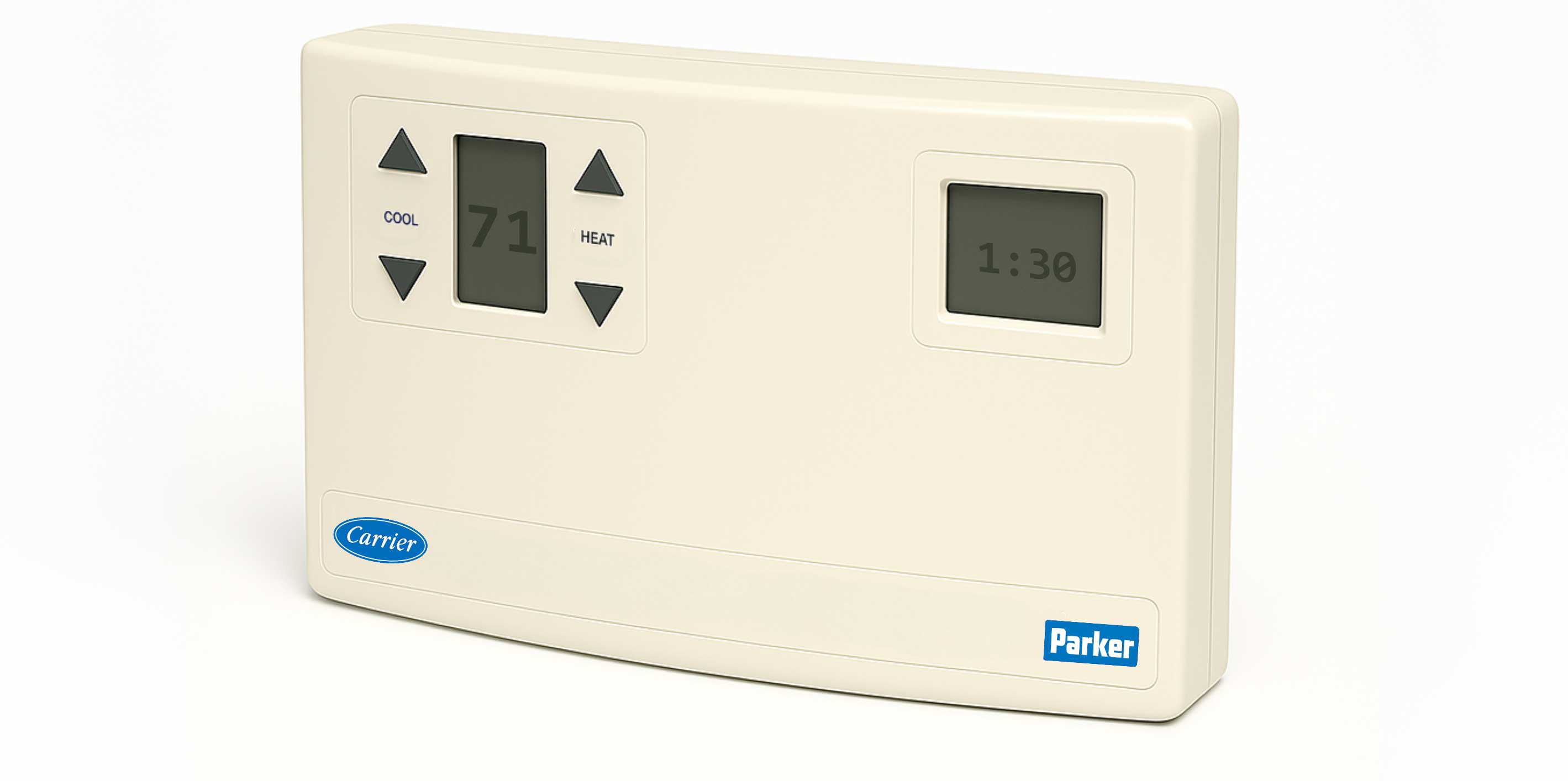
Parker Electronics partners with Carrier to introduce one of the world's first digital thermostats. It can even be controlled by voice over the telephone.
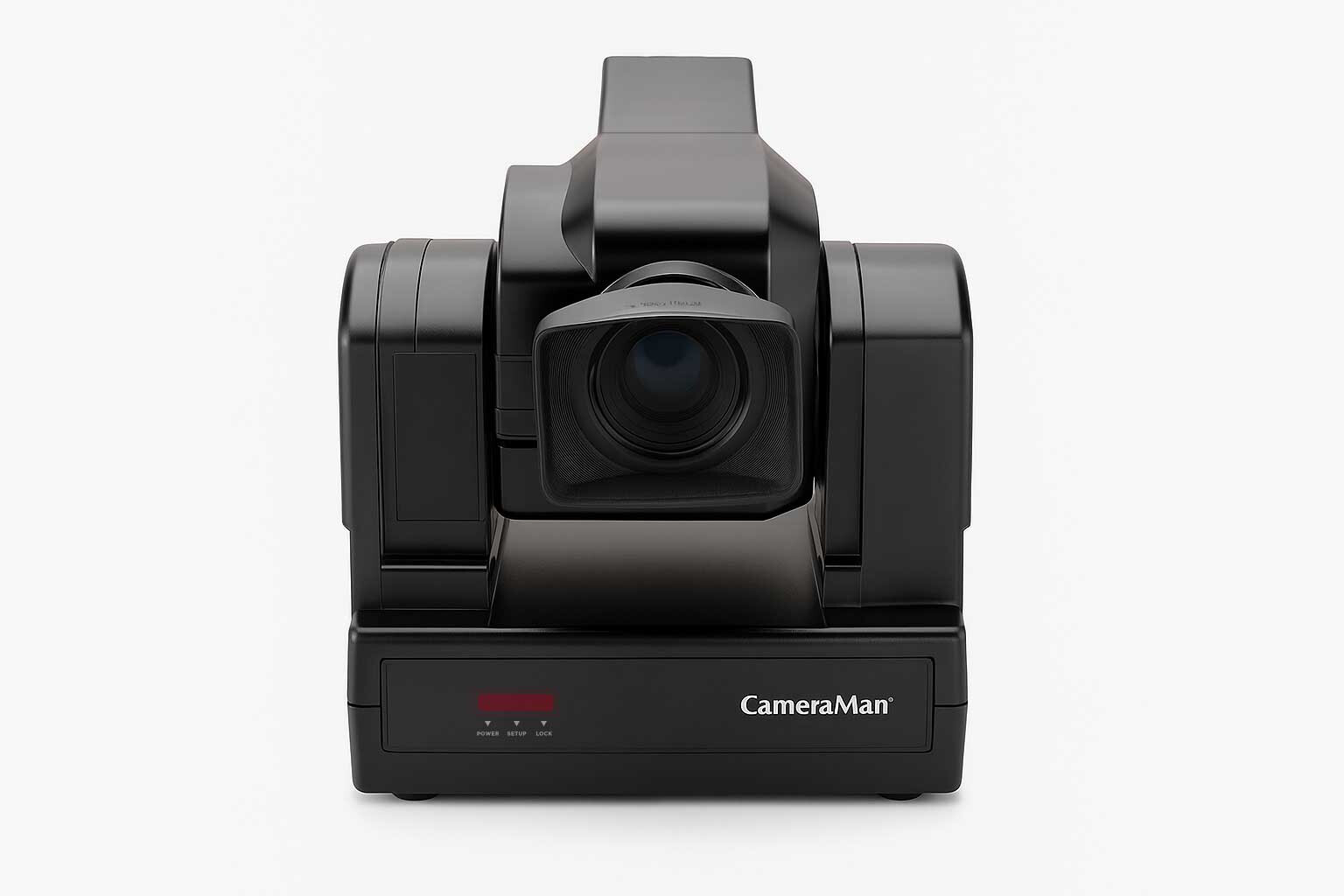
CameraMan is released, a camera-tracking system which is used in television newsrooms across the United States.
Began design of first D2D chip, codenamed Eddie. This technology is used in billions of modern cell phones and Bluetooth devices. It makes connecting to cell towers faster, cheaper, and more reliable.
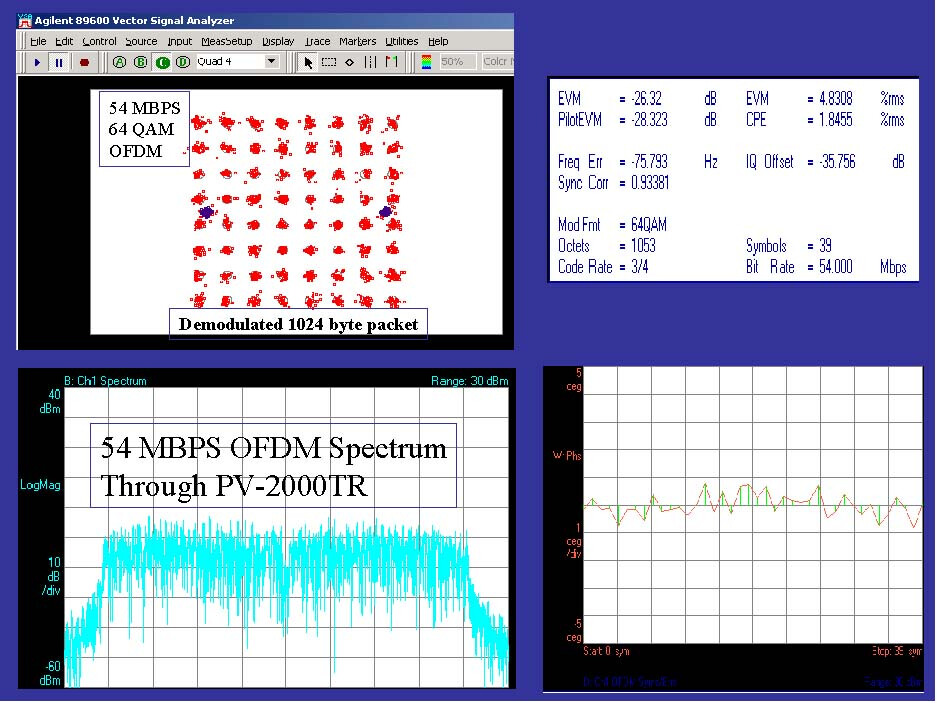
Vector signal analysis is published, confirming exceptional performance of D2D for sending and receiving wi-fi and cellular signals.
Acquired Signal Technologies led by Dr. Greg Rawlins, bringing extensive wireless & chip development expertise to ParkerVision.
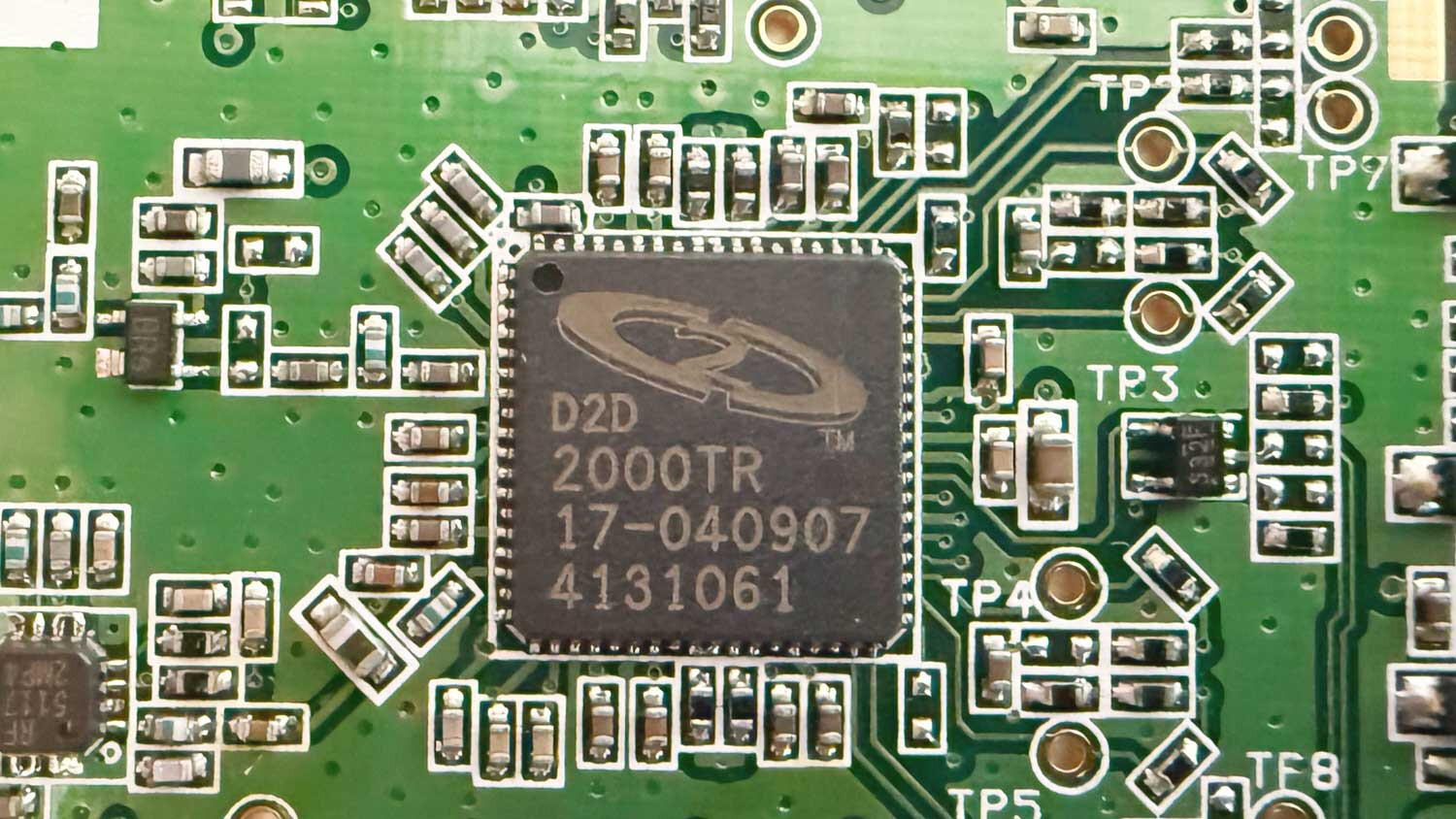
First complete wi-fi chip based on D2D is announced.
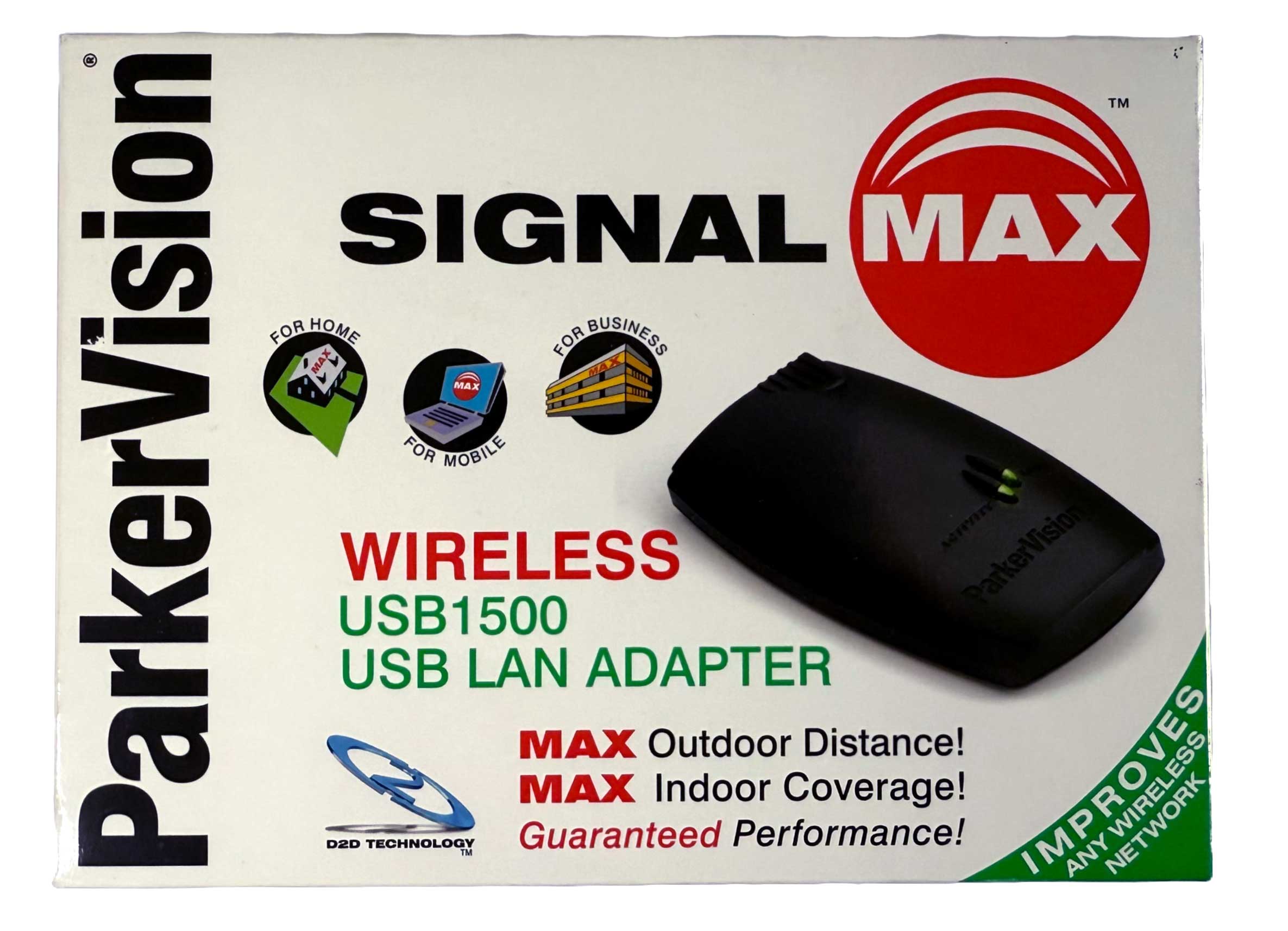
SignalMax allows customers to receive wi-fi up to one-mile away.

CameraMan business is sold to Thompson. PVTV technology wins technical EMMY® award.

SignalMax wins “Best Product” for peripherals at RetailVision event.
Parkervision discovers Qualcomm's use of patents without a license. Years earlier, Qualcomm had entered into special nondisclosures to learn how Parkervision’s patented technology worked.
Soon afterward, ParkerVision files a lawsuit alleging that Qualcomm is infringing it's patented innovation.
Jury unanimously rules for ParkerVision and awards $173M in damages. At the time, it was the ninth largest U.S. jury award, according to Bloomberg.
Parkervision files second case against Qualcomm, for additional patent infringement, which is still pending jury trial.
Seven weeks after the court ordered the parties to negotiate the terms for an ongoing royalty payment, judge reverses jury decision.
Samsung entered into license and settlement agreement.
The ParkerVision engineering lab is curtailed due to the extreme ongoing cost of enforcing patent rights.
ZyXel and Buffalo each enter into license and settlement agreement
HiSense enters into a license and settlement agreement.
Intel enters into a license and settlement agreement.

ParkerVision is developing a breakthrough new 5G/6G technology which will have wide-ranging military and consumer applications, from lighter & faster radios for our soldiers to massive improvements in satellite internet.
Our internal tests suggest it could significantly reduce electricity usage—potentially saving tens of billions in operating costs per year for wireless networks worldwide.
We are exploring ways to get back into the lab and to bring our latest innovation to market. And when effective patent protection is reestablished, it will help pave the way for us to finalize and release this next innovation.